Common Myths About Journaling
And Why They’re Holding You Back
Common Myths About Journaling.
Journaling is one of the simplest tools for self-reflection, clarity, and emotional wellbeing — and yet it’s also one of the most misunderstood. Many people feel drawn to the idea of keeping a journal, only to talk themselves out of it because of long-standing myths about what journaling should look like.
The truth is far gentler.
Journaling isn’t about perfect pages, beautiful handwriting, or daily discipline. It’s about creating a quiet space where your thoughts are allowed to exist without being rushed, judged, or edited.
If you’ve ever thought “journaling isn’t really for me”, one of the myths below may be the reason. Let’s clear them away — calmly and without pressure — so you can decide what journaling looks like for you, not for anyone else.
Myth 1: Journaling Is Only for Women

This is one of the oldest and most persistent common myths about journaling
Journaling isn’t tied to gender — it’s tied to being human. Everyone has thoughts to process, emotions to untangle, and experiences that benefit from reflection. Throughout history, journals have been kept by explorers, writers, scientists, leaders, and thinkers of every kind.
Journaling isn’t about sentimentality. It’s about understanding yourself more clearly — something that benefits everyone.
Myth 2: You Have to Be Creative or Artistic
Many people believe journaling requires creativity — elegant language, deep insights, or artistic flair.
In reality, journaling is often at its most powerful when it’s plain, practical, and unpolished. A journal can contain:
- bullet points
- half-formed thoughts
- short notes
- questions without answers
You don’t need creativity — you need honesty. And honesty doesn’t need decoration.
Myth 3: You Must Journal Every Day
Consistency can be helpful, but it is not a requirement.
Some people journal daily. Others write once a week, once a month, or only during difficult or reflective periods of life. Journaling works because it’s available, not because it’s constant.
A journal that’s used occasionally but meaningfully is far more valuable than one that becomes another task on a long to-do list.
Myth 4: Journal Entries Have to Be Long
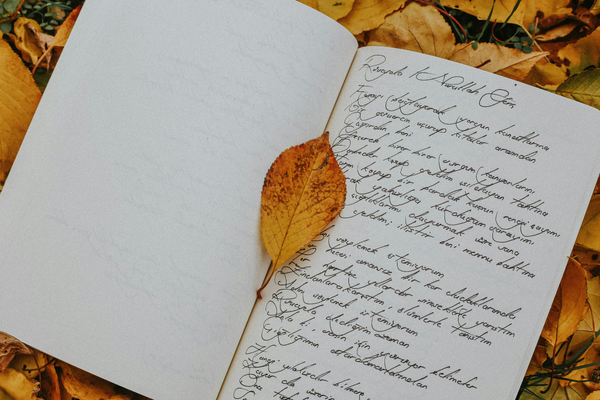
A single sentence can be enough.
A few lines. A short paragraph. One honest observation. Journaling doesn’t measure its value in word count — it measures it in clarity.
Sometimes the most powerful entries are the shortest:
“Today felt heavy.”
“I’m more tired than I realised.”
“This mattered to me.”
That’s enough.
Myth 5: You Must Write in Complete Sentences
Your journal is not an essay.
Fragments, lists, arrows, half-sentences, or single words are all welcome. Some days your thoughts arrive neatly. Other days they arrive scattered. Your journal exists to hold them — not to organise them perfectly.
Write in whatever form your mind naturally uses that day.
Myth 6: Grammar and Spelling Matter
They don’t.
Your journal is a private space, not a performance. Spelling mistakes, poor grammar, crossed-out words — none of it matters. In fact, worrying about “getting it right” often stops people from writing at all.
Let your journal be messy. Messy often means honest.
Myth 7: You Should Only Write Positive Things
Journaling is not a gratitude performance.
While writing about positive moments can be grounding and helpful, limiting yourself to only “good” thoughts creates an incomplete picture. Life contains frustration, grief, confusion, anger, and doubt — and those experiences deserve space too.
A journal that only allows positivity isn’t reflective; it’s restrictive.
Myth 8: Writing About Negative Things Makes Them Worse
In reality, the opposite is often true.
Writing about difficult experiences can:
- reduce emotional intensity
- bring clarity to tangled thoughts
- help you see patterns more clearly
- create distance between you and the problem
Journaling doesn’t trap negativity — it gives it somewhere to go.
Myth 9: You Have to Share Your Journal
You don’t owe your journal to anyone.
Some people choose to share parts of their journaling with a therapist or trusted friend, but many never do — and that’s perfectly fine. Journaling can be entirely private, just between you and the page.
Knowing it won’t be read by anyone else often makes it more honest.
Myth 10: You Shouldn’t Write About Personal or Sensitive Topics
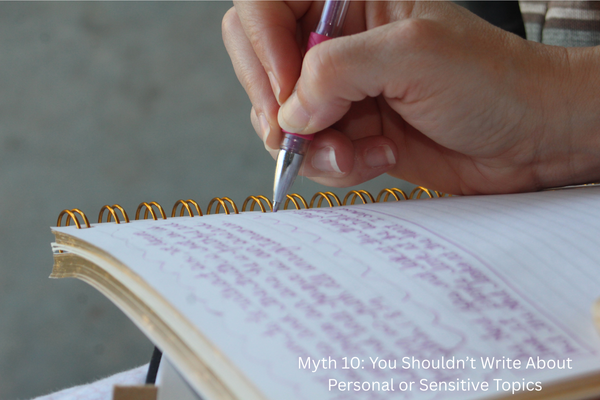
Your journal is precisely where those topics belong.
It is one of the few spaces where you can be completely unfiltered — where you don’t have to explain yourself, soften your language, or protect anyone else’s feelings.
If something feels too personal to say out loud, that’s often a sign it deserves to be written down.
Journaling is widely recognised as a gentle tool for reflection and emotional processing, and organisations such as Mind regularly highlight expressive writing as a supportive practice for mental wellbeing.
Common Myths About Journaling - Conclusion
What Journaling Really Is
At its heart, journaling is not a habit to master — it’s a relationship to develop.
It’s a place to:
- slow down
- notice patterns
- think without interruption
- hear yourself more clearly
There is no correct method. No minimum requirement. No perfect format.
Start where you are. Write what you can. Stop when you’ve said enough.
That’s journaling.
A Gentle Next Step
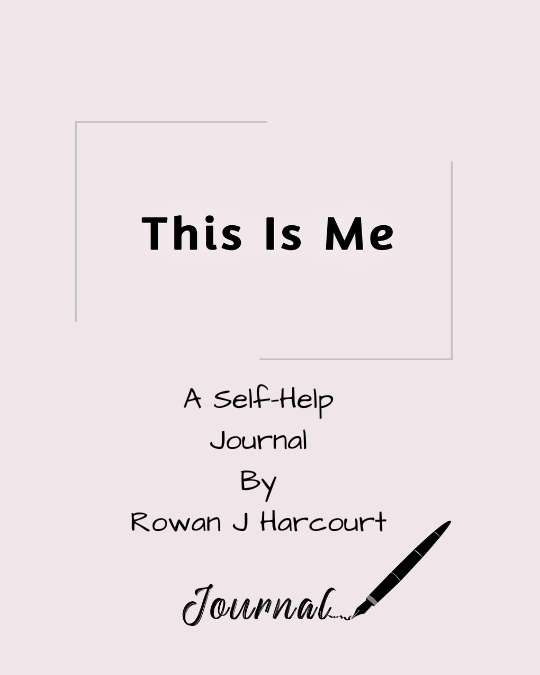
If you’d like a simple, guided place to begin — without pressure or perfection — I’ve created a quiet, reflective journal designed to meet you exactly where you are. It’s structured enough to guide you, but open enough to let your thoughts breathe.
Sometimes all it takes is the right page to begin.