Benefits of Daily Journaling
Benefits of Daily Journaling. Discover the quiet mental, emotional, and physical benefits of journaling regularly — a simple, reflective practice for clarity, calm, and self-understanding.
In a world that rarely pauses, journaling offers something quietly radical: a place to slow down, listen inward, and make sense of your own life — one page at a time.
You don’t need to be a writer. You don’t need the “right” notebook or a perfect routine. Journaling is simply the practice of noticing — and giving those thoughts somewhere safe to land.
Below are ten gentle but powerful benefits of journaling regularly, especially for thoughtful people who want clarity without pressure.
What Journaling Really Is (And Isn’t)
Journaling isn’t about crafting beautiful prose or documenting every detail of your day. It’s a flexible practice that can take many forms, including:
- Writing a few lines about your day
- Listing things you’re grateful for
- Emptying your thoughts onto the page (a “brain dump”)
- Reflecting on emotions, decisions, or patterns
- Writing unsent letters or future intentions
Some people write daily. Others return to their journal when life feels loud. Both approaches count.
1. Journaling Supports Mental Well-Being
Writing gives shape to thoughts that might otherwise swirl endlessly. When emotions are named, they often lose their intensity.
Journaling helps you:
- Process difficult experiences
- Understand emotional patterns
- Work through challenges more clearly
- Acknowledge progress you might otherwise overlook
Looking back over past entries can be surprisingly reassuring — a quiet reminder that you’ve navigated hard seasons before.
2. It Reduces Stress and Supports the Body
When stress stays trapped inside the mind, it often shows up physically. Journaling offers a release valve.
By writing about worries or pressure points, you give your nervous system permission to stand down. Over time, this gentle unloading can support calmer sleep, steadier moods, and a greater sense of balance.
One 2018 study from the University of Cambridge shows that journaling can help you relax and improve your immune system. The research discovered that people who wrote about their stressful experiences for 20 minutes three times per week had less cortisol and stronger immune function than those who didn't journal.
3. It Helps Keep Your Memory Sharp
Writing engages the brain differently than thinking alone. Putting experiences into words strengthens recall and helps organise memories.
Many people find that journaling:
- Improves clarity around past events
- Helps details surface more easily later
- Creates meaningful records of life’s quieter moments
Even short entries can become valuable touchstones over time.
4. Journaling Encourages Creativity and Focus

A cluttered mind struggles to create. Journaling clears space.
When ideas are written down — without judgement — creativity has room to breathe. This applies whether you’re planning projects, exploring ideas, or simply trying to think more clearly.
Small, consistent writing sessions often lead to unexpected insights.
5. Journaling Builds Emotional Awareness
Emotional intelligence begins with noticing.
Regular journaling helps you:
- Identify what you’re actually feeling
- Understand how emotions influence decisions
- Respond more thoughtfully to others
Over time, this awareness supports calmer communication and healthier relationships.
6. It Can Improve Sleep

Journaling before bed acts like a mental closing ritual.
By writing down worries, unfinished thoughts, or lingering emotions, you signal to your mind that it doesn’t need to keep working overnight. Even a few sentences can help the day feel complete — and rest come more easily.
7. It Creates Space for Spiritual Reflection
You don’t need a formal belief system to journal spiritually.
Reflection on meaning, values, gratitude, or inner guidance often emerges naturally on the page. Journaling can become a quiet conversation with your deeper self — a place to listen rather than rush toward answers.
8. Journaling Helps with Decision-Making
When decisions feel tangled, writing untangles them.
Seeing thoughts laid out clearly helps you:
- Recognise what truly matters
- Separate fear from intuition
- Notice patterns in past choices
The page becomes a sounding board — steady, honest, and patient.
9. It Can Help Manage Anxiety and Low Mood
Journaling doesn’t replace professional support, but it can be a valuable companion.
Writing creates distance between you and difficult thoughts, making them easier to examine rather than be overwhelmed by. Over time, patterns emerge — and with them, understanding.
10. Journaling Supports Physical Health

Stress, emotion, and physical health are deeply connected.
By reducing mental strain and increasing self-awareness, journaling can support healthier habits, steadier routines, and a more compassionate relationship with your body.
Benefits of Daily Journaling
Gentle Tips for Journaling Well
You don’t need rules — but these principles help:
-
Write regularly, not perfectly
A few lines matter more than long, infrequent entries. -
Be specific
Details bring insight. “I felt unsettled after that conversation” reveals more than “bad day.” -
Be honest, without judgement
This is reflection, not performance. -
Let it be creative
Lists, sketches, single sentences — all are valid. -
Go gently
Journaling is a practice of noticing, not fixing.
Benefits of Daily Journaling - Conclusion
A Quiet Place to Begin
Journaling is one of the simplest tools for self-understanding — and one of the most overlooked.
You don’t need motivation. You don’t need consistency. You only need a page and a willingness to meet yourself where you are.
The rest unfolds, quietly, over time.
Start Your Journaling Practice
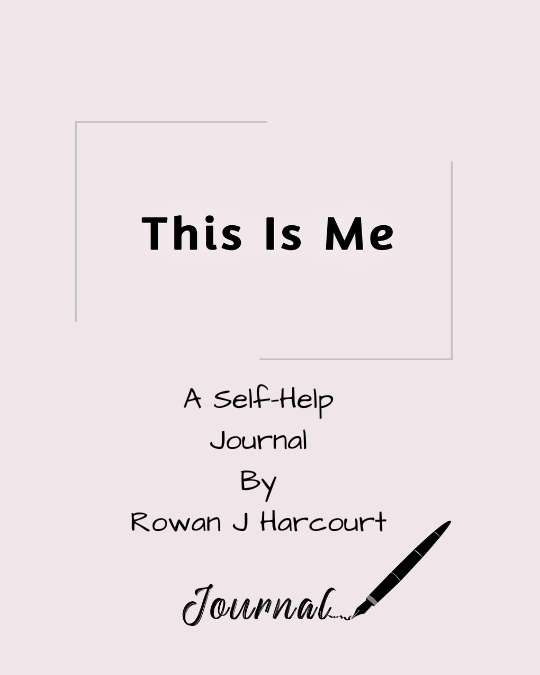
Looking for a quiet place to begin?
Reading about journaling is one thing.
Giving yourself a place to begin is another.
If you’d like a calm, printable journal to support your own reflection, I’ve created one to accompany this article — simple pages designed for clarity, honesty, and quiet progress.
→ Explore the Printable Journaling Pages
Print what you need. Write at your own pace. Return whenever it helps.
Further Reading on the Benefits of Daily Journaling
Finding Your Journaling Style.
The most effective journaling practice is the one that fits naturally into your life — your energy levels, your habits, and the way you express yourself. Some people think best through words. Others need structure. Some prefer colour, images, or even speaking out loud rather than writing at all.
Common Myths About Journaling.
Journaling is one of the simplest tools for self-reflection, clarity, and emotional wellbeing — and yet it’s also one of the most misunderstood. Many people feel drawn to the idea of keeping a journal, only to talk themselves out of it because of long-standing myths about what journaling should look like.