Finding Your Journaling Style
There is no single “right” way to journal
Finding Your Journaling Style.
The most effective journaling practice is the one that fits naturally into your life — your energy levels, your habits, and the way you express yourself. Some people think best through words. Others need structure. Some prefer colour, images, or even speaking out loud rather than writing at all.
If you’re not sure how you express yourself best, that’s perfectly normal. Journaling is often a process of gentle experimentation. Try different approaches and notice how you feel afterwards. When a method suits you, you’ll usually feel calmer, clearer, or quietly uplifted — not drained or pressured.
Below are seven ways of finding your journaling style that work particularly well for different personalities, lifestyles, and seasons of life. You don’t need to choose just one. Many people move between them depending on how they’re feeling.
1. List Journaling: Simple, Fast, and Grounding
If your mind feels busy or cluttered, lists can be the easiest place to begin.
List journaling strips journaling back to its essentials. You simply write down what’s on your mind — no explanations required. These might include:
- things you need to do
- worries you can’t stop thinking about
- things you’re grateful for
- ideas you don’t want to forget
The power of lists lies in externalising your thoughts. Once they’re on paper, they stop swirling endlessly in your head. This method is especially helpful when you’re short on time or feeling overwhelmed.
2. Morning Pages: Clearing the Mental Fog
Morning pages were popularised by Julia Cameron and are designed to be written first thing in the morning, before the day begins to make demands on you.
The idea is simple: write freely and continuously, without editing or censoring yourself. Traditionally this fills three pages, but the exact length matters less than the intention.
Morning pages help you:
- clear mental noise
- release worries before they set the tone for the day
- access deeper thoughts beneath surface-level concerns
This technique suits people who enjoy writing and want a sense of mental spaciousness before starting the day.
3. Bullet Journaling: Structure Without Overwhelm
Bullet journaling is ideal if you like clarity and organisation but don’t want to write long entries.
Instead of paragraphs, you capture thoughts using:
- short sentences
- symbols
- bullet points
This method works well for tracking habits, ideas, goals, or reflections without overthinking. It’s particularly popular with people who enjoy structure but still want flexibility. Your bullet journal can be as minimal or as detailed as you like — there are no rules you must follow.
4. Gratitude Journaling: Shifting Perspective Gently
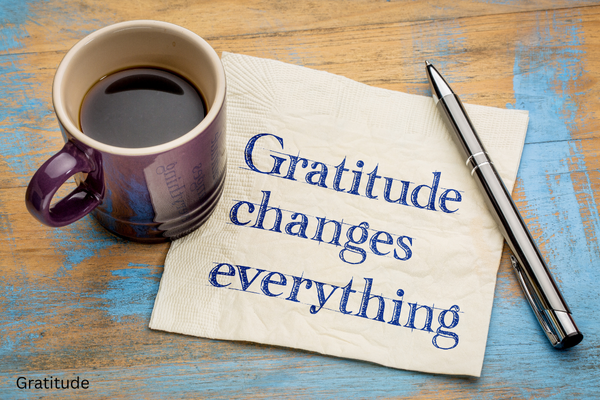
Gratitude journaling focuses your attention on what’s going right, even on difficult days.
Each entry might include:
- three things you appreciated today
- small moments that brought comfort
- things you’re thankful for right now
This practice doesn’t ignore challenges — it simply balances them. Over time, gratitude journaling can gently retrain your attention, helping you notice steadiness and goodness alongside uncertainty.
It’s a particularly helpful practice during stressful periods or as part of a morning or evening routine.
5. Prompt Journaling: When You Don’t Know Where to Start
If you ever sit down with a blank page and feel stuck, prompt journaling removes that barrier.
A prompt might be:
- a word or phrase
- a question
- a sentence to complete
You then write for a short, set amount of time — five or ten minutes is often enough. Prompts provide direction without restriction, making this method ideal for reflective thinkers who want gentle guidance rather than total freedom.
6. Voice Journaling: Thinking Out Loud

Not everyone enjoys writing — and that’s okay.
Voice journaling involves recording yourself speaking your thoughts instead. This can be done on your phone or any recording device. Some people listen back later and transcribe key insights, while others simply treat the recording itself as the journal.
This approach works especially well if:
- you process ideas by talking
- writing feels slow or restrictive
- you want to capture emotion and tone more naturally
It’s also useful when you’re walking, travelling, or feeling too tired to write.
7. Art Journaling: Expression Beyond Words
Art journaling uses images, colour, and texture instead of — or alongside — words.
This might include:
- drawing or doodling
- collage
- painting or mixed media
- symbols or visual metaphors
You don’t need artistic skill to benefit from art journaling. The process matters far more than the result. This method can be deeply therapeutic, particularly when emotions feel difficult to put into words.
Finding Your Journaling Style - Choosing What Works for You
You don’t need to commit to one journaling style forever.
Your needs may change with your circumstances, energy levels, or emotional state. Some days you might need structure. Other days, freedom. Some seasons invite words; others invite silence, colour, or simplicity.
The best approach is to stay curious rather than prescriptive. Try a method for a few days. Notice how you feel. Adjust as needed.
Journaling works best when it supports your life — not when it becomes another thing to get “right.”
If you’re open to it, your journal can become a steady companion: flexible, forgiving, and always ready when you need it.