Find Your Journaling Style
Find Your Journaling Style. Explore what to journal about, which format to use, and seven simple journaling techniques—so you can build a journaling habit that actually fits your life.
Find Your Journaling Style
Journaling doesn’t have to look a certain way to “count”. The best journaling practice is simply the one you’ll actually return to—because it feels calming, useful, and realistic for your life.
Some people feel at home with pen and paper. Others prefer typing, voice notes, or something more creative. The key is to experiment gently until you find the approach that leaves you feeling comforted, lighter, and more like yourself afterwards.
Start with Your Purpose (Not the Perfect Notebook)
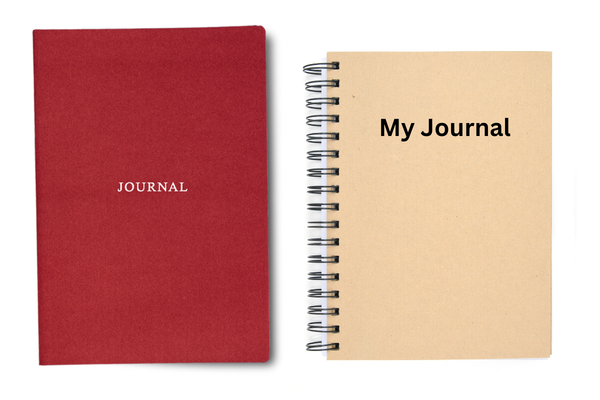
If you’re stuck on the question, “What should I journal about?”, flip it slightly:
What do you want journaling to help you with right now?
Journaling works best when it supports something real—processing stress, building a habit, making a change, or finding clarity in a busy season.
What You Can Journal About (Simple, Helpful Ideas)
Here are a few solid places to begin—choose just one for the next week.
Record your daily events and thoughts
A few lines a day can help you notice patterns, track your progress, and look back later with perspective. Add dates and small details so future-you can remember what mattered.
Set goals and track your progress
Write down what you’re aiming for, what you tried today, and what you learned. Then review occasionally to see how far you’ve come (and what needs adjusting).
Work through something difficult
Journaling can be a safe way to untangle emotions and think through next steps when life feels complicated.
Reflect on wins and accomplishments
Big or small—record them. A journal is a quiet place to remind yourself what you’re capable of.
Explore your creative side
If you feel stuck, try stream-of-consciousness writing, a prompt, or a “brain-dump” page to get things moving again.
Record actions towards future goals
If you’re building a habit or working towards a change, note what you did today and what you’ll do tomorrow. Small actions add up—and journaling helps you see that.
Choose a Journaling Format You’ll Actually Use
This is where many people get stuck—so keep it simple.
Pick the style first
Do you want to:
- write about your day?
- track thoughts and feelings?
- plan and stay focused?
- process challenges?
- build a new habit?
There’s no “right” answer—just what suits you.
Then pick the medium that feels easy
If writing feels like hard work, don’t force it. Try something that removes friction.

Options you can use:
Pen and paper (classic, flexible, easy to personalise).
Phone or computer (fast, searchable, convenient).
Journaling apps (guided prompts, reminders, quick entries).
Voice notes / voice recorder (great if you think out loud).
Creative formats like painting, drawing, collage, even sculpting (if you express yourself visually)
Rule of thumb: the “best” option is the one you’ll use regularly.
Seven Journaling Techniques to Try
Once you’ve chosen your medium, use one of these techniques to make journaling feel easier and more effective.
Find Your Journaling Style
1) Lists: Perfect when you don’t know what to write. List what’s on your mind: worries, to-dos, gratitude, ideas, questions—anything. Getting it out of your head is often the whole point.
2) Morning Pages: Write three pages of stream-of-consciousness first thing in the morning. It’s not meant to be polished—it’s meant to clear the mental clutter.
3) Bullet Journaling: Short sentences and bullet points to capture thoughts, track tasks, or log habits—without needing long diary-style writing.
4) Gratitude Journaling: Write down a few things you’re grateful for each day. It gently shifts your attention towards what’s steady and good (even in a messy week).
5) Prompt Journaling: Use a word, phrase, or question and write for five minutes. Prompts reduce the pressure and help you get started quickly.
6) Voice Journaling: Record yourself speaking your thoughts. You can keep it as audio or transcribe it later. Ideal if you dislike writing but still want the benefits of reflection.
7) Art Journaling: Use your journal as a creative space—drawings, paintings, collages, mixed media. It can be a surprisingly therapeutic way to process feelings without “finding the right words”.
More About Art Journaling Here...
A Gentle 30-Day Starter Plan
If you want a simple way to commit without overthinking:
- Choose one method (lists, gratitude, prompts, bullet journaling—anything that feels easy).
- Set a small daily minimum (5 minutes is enough).
- Pick a reliable time (morning, lunch break, or before bed).
- Don’t chase perfection - just keep showing up.
Find Your Journaling Style - Conclusion
It doesn’t matter whether you journal with a notebook, an app, voice notes, paint, or bullet points. What matters is that it helps you feel clearer, steadier, and more capable of becoming the person you’re trying to grow into.
So start small. Stay curious. And give yourself permission to find your own way.
Create Your Own Journaling Ritual
If you’d like ready-to-print pages that remove the guesswork, I’ve created a small collection of thoughtfully designed journals to help you begin — or begin again.
You’ll find:
- Reflection pages for clarity and self-understanding
- Goal and habit trackers that feel realistic (not rigid)
- Gratitude layouts for steady perspective
- Calm, minimalist designs you can mix and match
You can explore the full collection in my Etsy shop:
Whether you print a full journal or simply start with a few pages, the aim is the same — to create a quiet space that supports who you’re becoming.
Why Buy Through Etsy?
I choose to sell my printable journals through Etsy because it offers you a secure, familiar checkout experience. Many readers already have Etsy accounts, can see reviews, and know exactly how digital downloads work there. It keeps things simple — instant access after purchase, easy re-downloads, and a straightforward process from start to finish.
If you’d prefer that kind of familiarity and buyer protection, you can browse my collection with complete confidence.
→ Visit my Etsy shop and browse the Printable Journals collection