Health and Fitness Goals That Actually Change Your Life
Health and Fitness Goals. Here's what they don't tell you: taking care of your body in midlife isn't about transformation stories or crushing intense workouts. It's about building sustainable habits that work with your energy, your schedule, and your actual life—not some idealized version of it.
You've spent decades caring for everyone else. Now it's time to care for yourself in a way that feels realistic, not like adding another impossible standard to meet.
Movement That Serves You
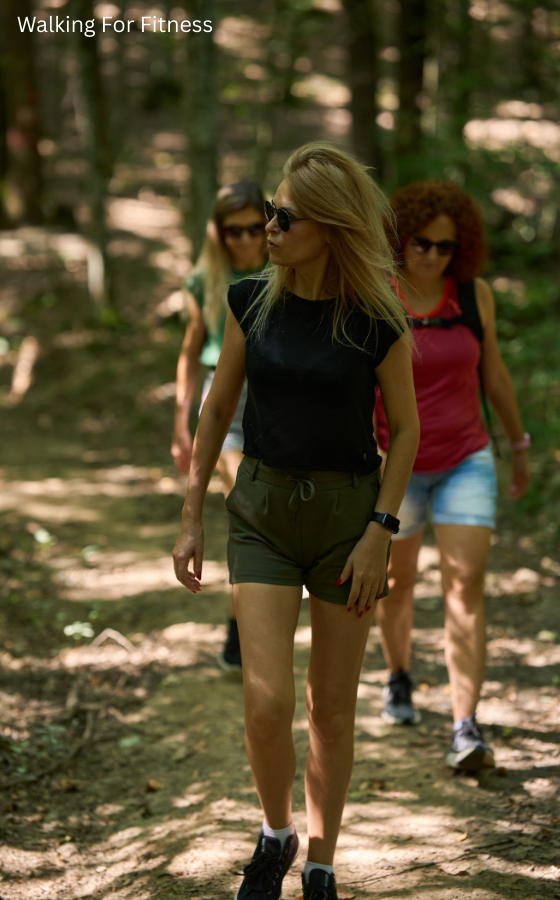
Forget the fitness industry's definition of what counts. Moving your body doesn't require special equipment, a gym membership, or an hour you don't have. It just needs to happen.
Research shows that 20 to 30 minutes of moderate movement most days makes a real difference. Walking, swimming, biking, dancing in your kitchen—whatever gets you moving counts. You can break it into smaller chunks throughout the day if that's what works.
Want to know what "fit" looks like at this stage? An hour of moderate-paced walking most days. That's it. No fitness influencer intensity required. The goal is consistent movement, not exhaustion.
Your body has carried you through decades of life. Movement is how you thank it, not punish it.
Eating in a Way That Actually Works
Let's cut through the noise: your diet has more impact on your health and weight than exercise does. But midlife eating isn't about restriction or following someone else's rules—it's about nourishing the body you have now.
The basics haven't changed, but they matter more now. Fill half your plate with vegetables, especially leafy greens. Choose whole grains over processed foods. Go easy on sugar and unhealthy fats.
What has changed is that your metabolism isn't what it was at 30. That's not failure—it's biology. Honour that by eating real food that gives you energy, not products marketed as healthy.
Rest Isn't Optional Anymore
Sleep matters more in midlife than it did when you could power through on five hours. Most women need around eight hours, though your body will tell you what it actually needs if you listen.
Make your bedroom what it should be: a space for rest, relaxation, and connection. Not a second office or storage room with a bed in it.
Managing Stress Before It Manages You
Here's what decades of caregiving and people-pleasing can do: it keeps your stress hormones elevated, which shows up as extra weight around your middle, lower immunity, and exhaustion you can't shake.
You know what helps: movement, breathing exercises, time with people who refill rather than drain you. The harder part is actually doing it—giving yourself permission to prioritize your stress levels as much as you've prioritized everyone else's comfort.
If stress feels unmanageable, professional support isn't weakness. It's wisdom.
Hydration That Happens
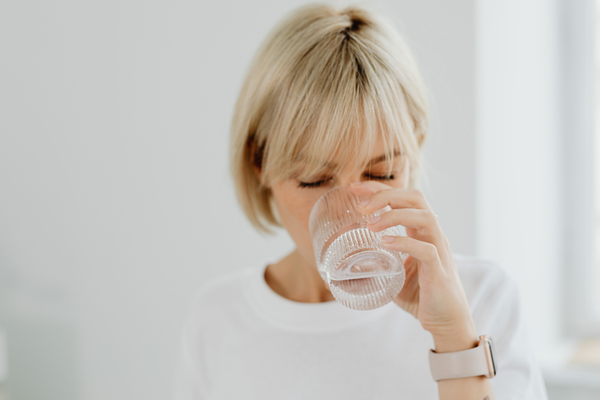
Water is one of the simplest things you can do for your health, yet it's easy to forget when you're busy taking care of everything and everyone.
Here's a pattern that works: Two glasses when you wake up. Water throughout the day. Two more glasses an hour before bed. Stop drinking other beverages and it becomes much easier to get enough.
If you exercise regularly, you need even more. Your body will thank you with better energy and clearer thinking.
Setting Health And Fitness Goals You'll Actually Keep
The secret to sustainable change isn't willpower or motivation—it's working with how habits actually form.
Choose one thing to focus on. Maybe it's drinking enough water. Or adding vegetables to lunch. Or a 15-minute walk after dinner. Do that one thing until it becomes automatic, then add the next thing.
Write your goal down. Be specific about when and how. But don't try to overhaul your entire life at once. That's the fastest path to burnout and giving up.
Your Path Forward
Improving your health and fitness at this stage isn't about becoming someone else. It's about taking care of the body that's carried you this far—on your terms, at your pace.
There are ways of moving and eating that will improve your life. The work is finding what fits your reality and doing it consistently enough that it sticks. Not perfectly. Consistently.
You deserve to feel strong and capable in your own body. That doesn't require transformation—just steady, realistic progress that honours where you are right now.
Your Health and Fitness Goals:- Ready to Build Habits That Actually Stick?
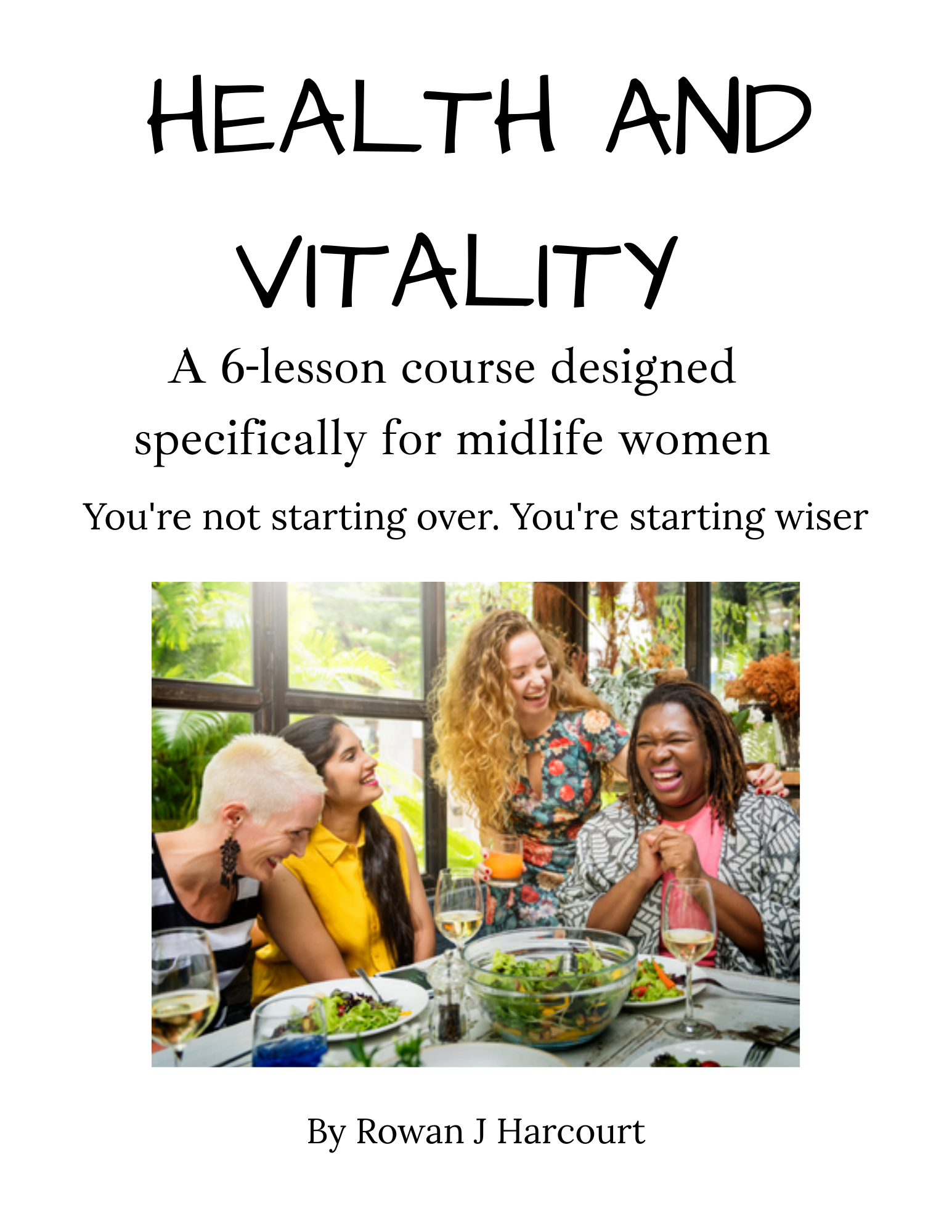
Health and Vitality for Midlife Women is a 6-lesson course designed for women who are done with diet culture, toxic positivity, and health advice written for 25-year-olds.
This course addresses the real challenges of midlife—hormonal chaos, depleted energy, brain fog, chronic stress, and bodies that don't work like they used to.
You'll learn how to eat for your changing metabolism, move in ways that don't destroy your joints, manage the mental and emotional load draining your energy, and actually sleep through the night.
Every lesson includes practical strategies and "bare minimum" versions for exhausted days, because sustainable beats perfect.
No guilt trips. No unrealistic expectations. Just honest, practical advice for building real vitality in your real life.
Click Below For All The Details... Including how you can get a Free Preview of the first lesson.
Creating practical personal growth courses online for real people with real lives.