Personal Growth In Midlife:
10 Ways to Actually Achieve Your Personal Growth Goals
Personal growth in midlife isn't about fixing what's broken. You're not starting from scratch—you're building on decades of wisdom, survival skills, and hard-won self-knowledge. The question isn't whether you can grow. It's how to do it in a way that fits your life as it actually is.
If you're not growing, you're standing still. But growth at this stage doesn't mean starting over—it means starting wiser.
Here's what matters: consistent progress over dramatic transformation. Small, intentional steps over sweeping reinvention. You're not becoming someone new. You're becoming more fully yourself.
1. Set Goals You Can Actually Reach

The fastest way to quit is setting goals that sound impressive but ignore your actual constraints. You have caregiving responsibilities. Energy fluctuations. A life that's full before you add one more thing.
Set goals that acknowledge this reality. Not "lose 30 pounds" but "add vegetables to lunch three times this week." Not "meditate daily" but "take three deep breaths before responding to stress." Goals that feel achievable keep you moving forward. Impossible goals just make you feel like you're failing.
2. Create a Plan That's Actually Doable
Goals don't happen because you want them badly enough. They happen because you build them into your routine in ways that stick.
Look at your actual schedule—not the one you wish you had. Where's the realistic space for this goal? What has to shift to make room? Be honest about the work required, then decide if you're willing to do it. Awareness beats optimism every time.
3. Focus on Small, Daily Progress
Personal growth in midlife. You know what doesn't work? Trying to overhaul everything at once. You know what does? Showing up consistently with small actions that compound over time.
One paragraph written daily becomes a book. Ten minutes of movement becomes stamina and strength. One difficult conversation becomes clearer boundaries. The progress happens in the accumulation, not the grand gesture.
4. Build in Regular Reminders
New habits need scaffolding until they become automatic. Set phone reminders. Put visual cues where you'll see them. Link new habits to existing routines.
This isn't about motivation—it's about making it easier to do the thing than to forget it. Your life is full. Work with that instead of against it.
5. Ask for Support When You Need It
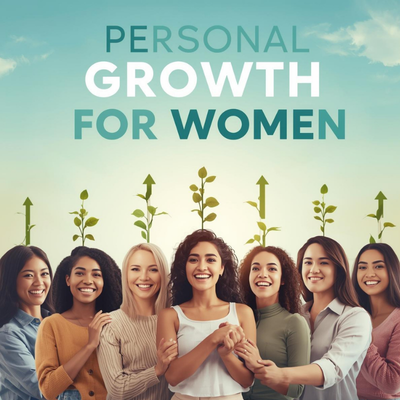
You've spent decades being the one everyone leans on. Asking for help or encouragement isn't weakness—it's recognizing that sustainable change is easier with support.
Tell trusted friends and family what you're working on. Not for accountability police, but for people who will check in and cheer you on. Having witnesses to your growth makes it more real.
6. Acknowledge Progress Along the Way
Waiting to celebrate until you've completely achieved the goal means you'll spend months or years feeling like you're not doing enough. That's exhausting and unnecessary.
Notice the small wins. The first week you kept your commitment. The moment something got easier. The day you chose differently than you used to. These milestones matter because they prove you're capable of change.
7. Expect Setbacks and Keep Going
You will miss days. Have weeks where nothing happens. Face circumstances that derail your plans. This isn't failure—it's life.
The difference between people who reach their goals and people who don't isn't perfection. It's what they do after a setback. Do you use it as evidence that you should quit, or as information about what to adjust? Every setback is a chance to learn what actually works for you.
8. Celebrate When You Arrive
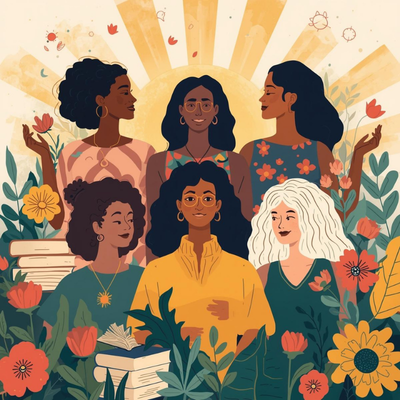
When you reach a goal—especially one you've worked on for months—take time to honour that achievement. Not in a performative social media way (unless that's your thing), but in a way that lets you feel the satisfaction of following through.
Reflect on what it took to get here. Acknowledge how you've grown. Let yourself feel proud. You earned this.
9. Learn from What Doesn't Work
When something doesn't go as planned, resist the urge to blame yourself. Instead, get curious. What made this harder than expected? What would you do differently? What does this tell you about what you actually need?
Your so-called failures contain some of your most valuable information about how to succeed. Pay attention to them.
10. Keep Growing, One Day at a Time
Personal growth in midlife isn't a destination you reach and then you're done. It's the ongoing practice of becoming more of who you're meant to be.
At this stage of life, you have an advantage younger women don't: you know yourself. You know what matters and what doesn't. You have survival skills and wisdom from decades of navigating challenges. Use that knowledge. Trust it.
Commit to learning and growing each day, not because you're incomplete, but because there's always more to discover about who you can become.
You're not behind. You're not too old. You're exactly where you need to be to build the second act you deserve.
Personal Growth In Midlife - Your Next Step

Now that you understand what actually works for achieving personal growth goals in midlife, it's time to begin. Choose one realistic goal. Create a simple plan. Take one small step today.
Remember: get support when you need it, celebrate your progress, and keep going even when it's messy. Growth doesn't require perfection. It requires showing up consistently and trusting the process.
You have everything you need to move forward. You always have.
Health and Vitality for Midlife Women
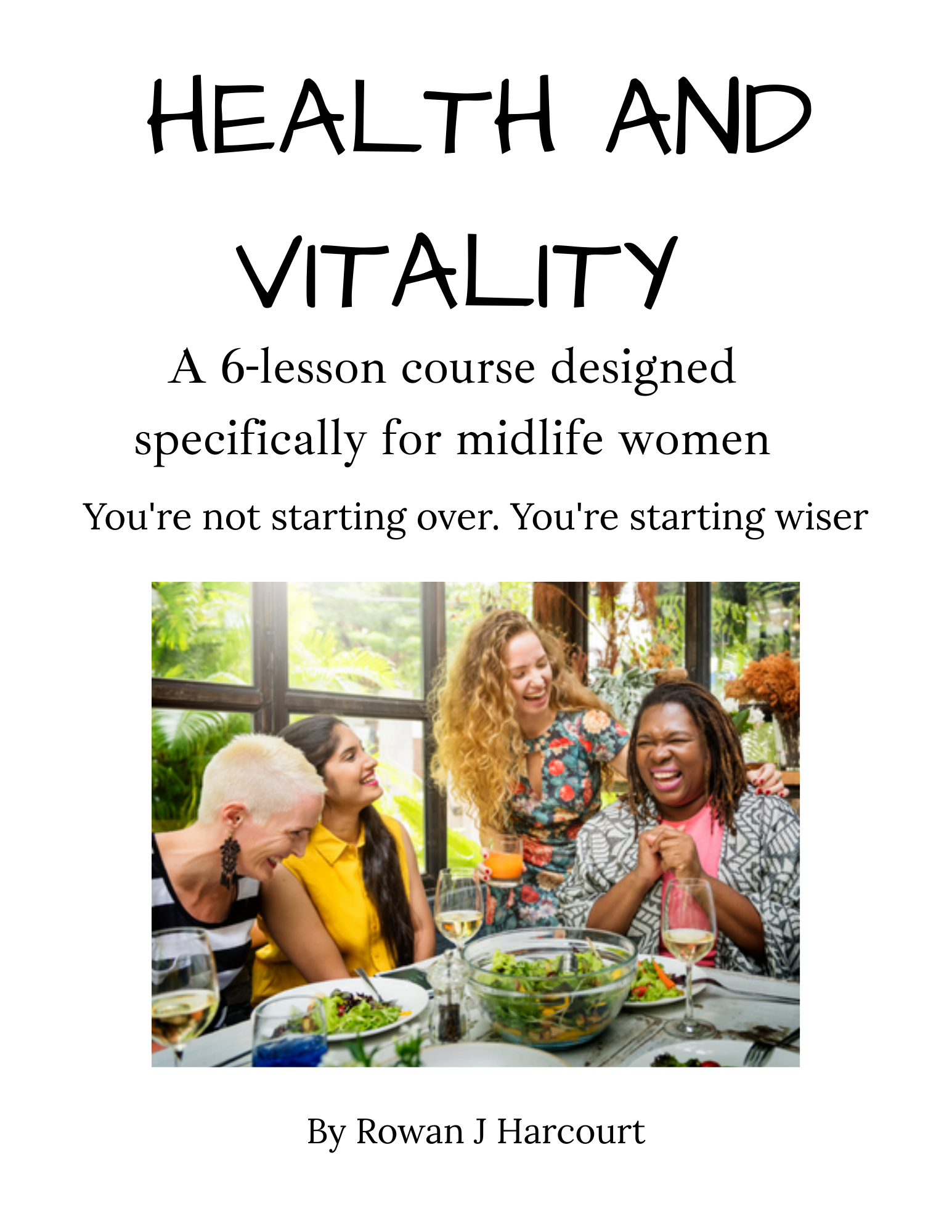
Health and Vitality for Midlife Women is a 6-lesson course that cuts through generic wellness advice and addresses what's really happening in your body and life after 40.
Learn practical nutrition strategies, realistic movement plans, stress management techniques, and sleep solutions designed for women navigating hormonal changes, caregiving responsibilities, and chronic exhaustion.
Small, sustainable changes that fit your actual life—not massive overhauls that fall apart in a week. You're not starting over. You're starting wiser.
Click the link below for more details, including how you can get a Free Preview of the first lesson.
Creating practical personal growth courses online for real people with real lives.